

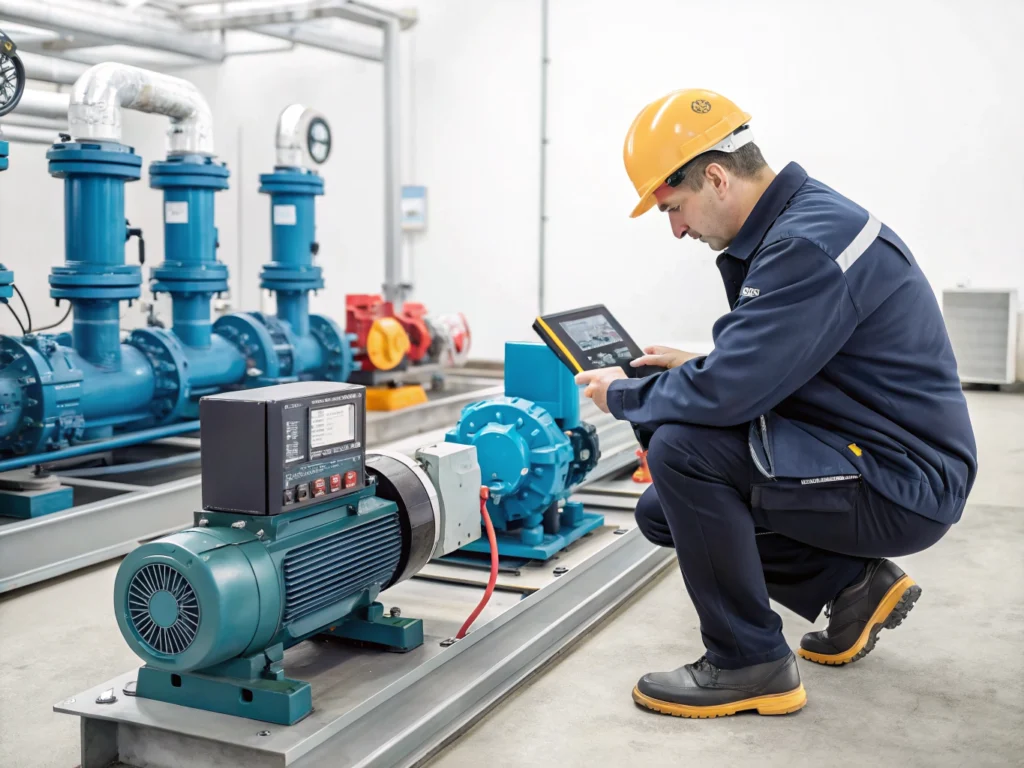
Introduction: Why Every Plant Needs a Pump Troubleshooting Guide
In industrial environments, pumps are the heartbeat of fluid handling systems. Whether it’s water supply, chemical transfer, oil circulation, or cooling systems, a single pump failure can disrupt entire production lines. That is why a structured Pump Troubleshooting Guide is essential for maintenance engineers and technicians.
This Pump Troubleshooting Guide is designed to help you systematically diagnose, isolate, and solve the most common industrial pump problems. Instead of guessing or replacing parts blindly, you will learn how to identify root causes using a logical engineering approach.
A well-structured Pump Troubleshooting Guide reduces downtime, prevents recurring failures, and improves overall equipment reliability.
Understanding Industrial Pump Systems Before Troubleshooting
Before applying any Pump Troubleshooting Guide, it is important to understand how pumps operate. Industrial pumps generally fall into two main categories:
1. Centrifugal Pumps
- Most common in industrial applications
- Use rotational energy to move fluids
- Sensitive to cavitation and suction issues
2. Positive Displacement Pumps
- Used for high-viscosity fluids
- Provide constant flow regardless of pressure
- Common in oil, chemical, and dosing systems
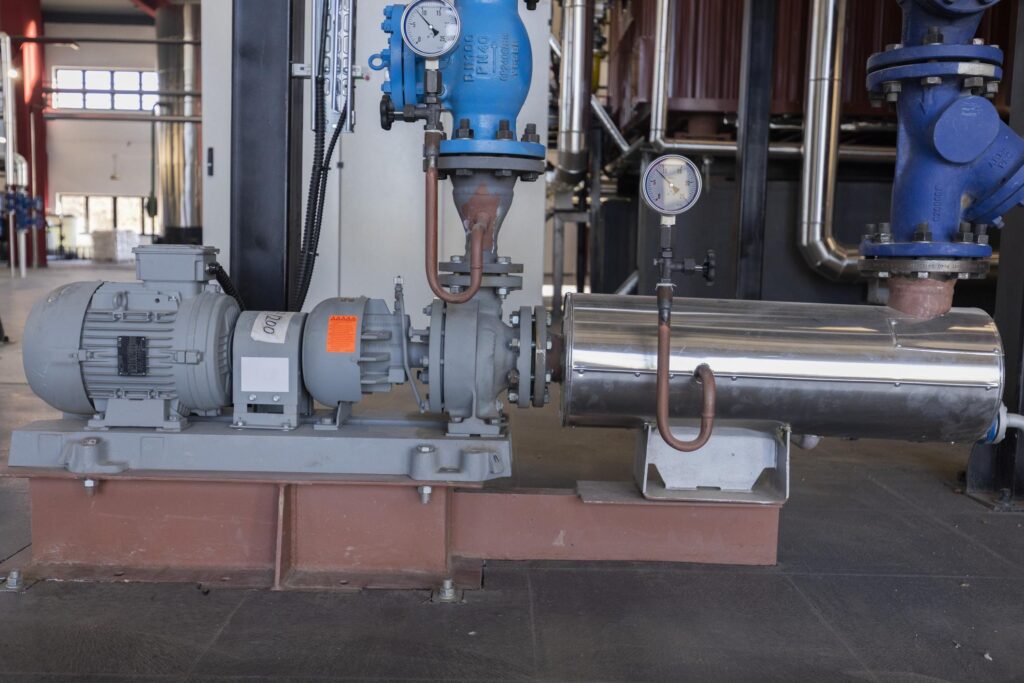
Understanding these types is critical because every Pump Troubleshooting Guide depends on pump design and operating principle.
Most Common Problems Covered in a Pump Troubleshooting Guide
A practical Pump Troubleshooting Guide focuses on recurring industrial failures. Below are the most frequent issues:
- Pump not starting
- Low flow rate
- Loss of suction
- Cavitation noise
- Excessive vibration
- Mechanical seal leakage
- Overheating bearings
- Motor overload trips
- Abnormal noise
Each of these problems requires a structured diagnostic approach, which we will cover in this Pump Troubleshooting Guide.
Step-by-Step Pump Troubleshooting Guide for Industrial Engineers
Step 1: Verify Power and Electrical Supply
The first step in any Pump Troubleshooting Guide is checking electrical integrity.
Check for:
- Power supply voltage
- Circuit breaker status
- Motor starter condition
- Fuse integrity
- Control panel alarms
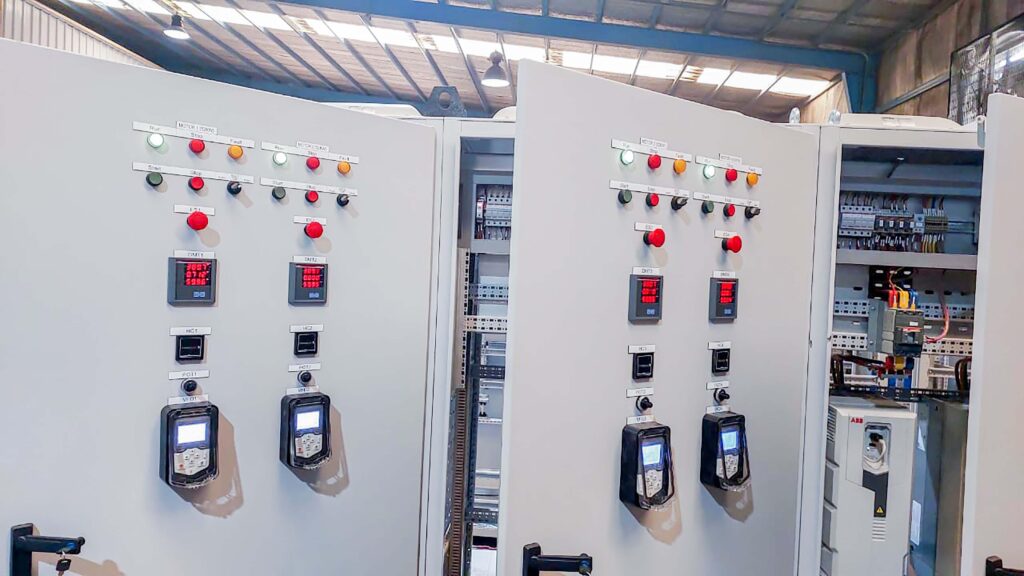
If the pump does not start, 40% of cases are electrical rather than mechanical, making this step critical in any Pump Troubleshooting Guide.
Step 2: Check Mechanical Rotation and Coupling
A key step in the Pump Troubleshooting Guide is verifying mechanical movement.
Inspect:
- Shaft rotation direction
- Coupling alignment
- Jammed impeller
- Bearing condition
Incorrect alignment is one of the most overlooked causes in any Pump Troubleshooting Guide.
Step 3: Inspect Suction Line and Flow Restrictions
Many pump failures originate from suction issues. A proper Pump Troubleshooting Guide always prioritizes suction diagnostics.
Check for:
- Blocked strainers
- Air leaks in suction piping
- Closed or partially closed valves
- Insufficient NPSH (Net Positive Suction Head)
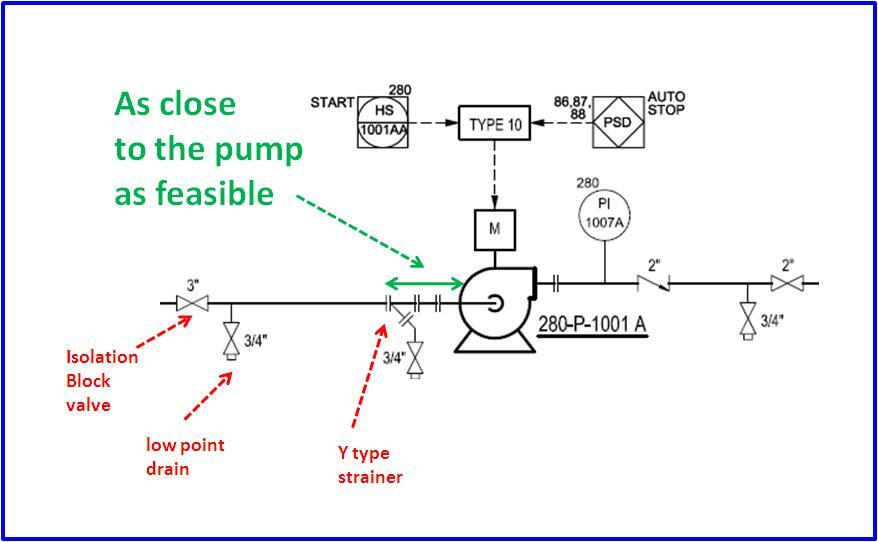
Air entering the suction line can completely disrupt pump performance, making this step essential in any Pump Troubleshooting Guide.
Cavitation: The Silent Killer in Pump Systems
Cavitation is one of the most damaging phenomena covered in a Pump Troubleshooting Guide.
Symptoms of cavitation:
- Loud crackling noise
- Vibrations
- Pitting on impeller surfaces
- Reduced flow output
Causes:
- Low suction pressure
- High fluid temperature
- Poor inlet design
A professional Pump Troubleshooting Guide always highlights cavitation as a priority diagnosis due to its destructive impact.
Excessive Vibration Analysis in Pump Troubleshooting Guide
Vibration is a major diagnostic indicator in any Pump Troubleshooting Guide.
Common vibration causes:
- Misalignment
- Unbalanced impeller
- Bearing wear
- Hydraulic instability
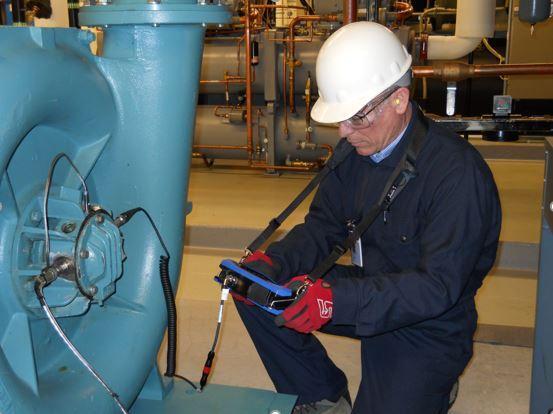
Using vibration sensors allows technicians to predict failures before they escalate, a core principle in modern Pump Troubleshooting Guide methodology.
Pump Overheating: Causes and Solutions
A critical section in any Pump Troubleshooting Guide is thermal behavior.
Causes of overheating:
- Dry running condition
- Bearing lubrication failure
- Excessive load
- Improper installation
Solutions:
- Ensure proper lubrication schedule
- Verify cooling systems
- Avoid dry operation
- Check mechanical load balance
Overheating is often a symptom, not a root cause, which every Pump Troubleshooting Guide must emphasize.
Mechanical Seal Leakage in Pump Troubleshooting Guide
Seal failure is one of the most expensive pump issues covered in a Pump Troubleshooting Guide.
Causes:
- Dry running
- Improper installation
- Abrasive fluid contamination
- Excessive pressure
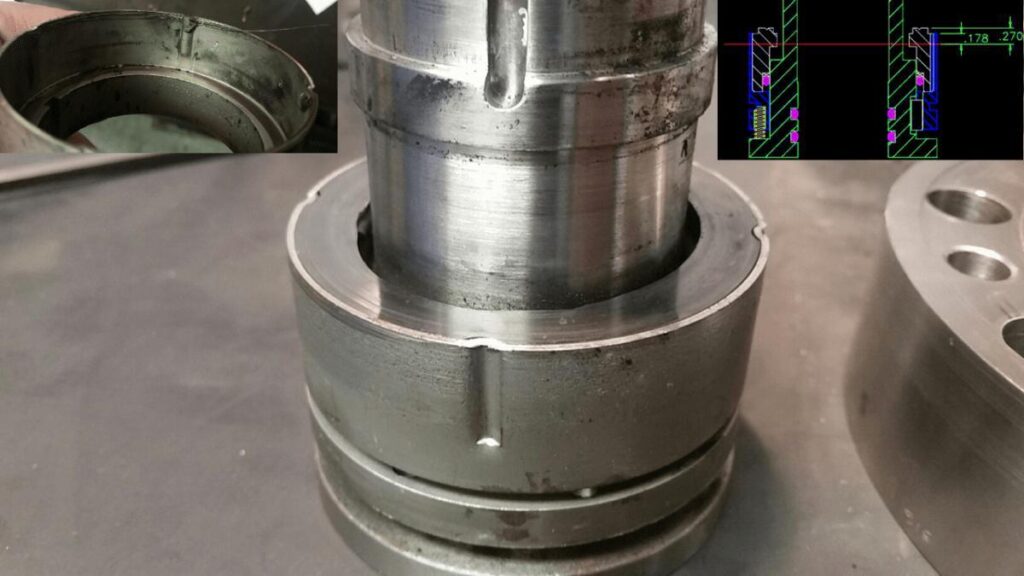
A structured Pump Troubleshooting Guide helps distinguish between installation errors and operational failures.
Low Flow or No Flow Conditions
One of the most common scenarios in any Pump Troubleshooting Guide is reduced or zero flow.
Possible causes:
- Air lock in system
- Clogged impeller
- Incorrect pump rotation
- Valve misconfiguration
Diagnostic approach:
- Check suction pressure
- Inspect discharge line
- Verify impeller condition
- Confirm system configuration
A systematic Pump Troubleshooting Guide avoids unnecessary part replacement by isolating the true cause.
Electrical and Motor-Related Pump Failures
A modern Pump Troubleshooting Guide must include motor diagnostics.
Common issues:
- Motor winding failure
- Overcurrent trips
- Phase imbalance
- Thermal overload
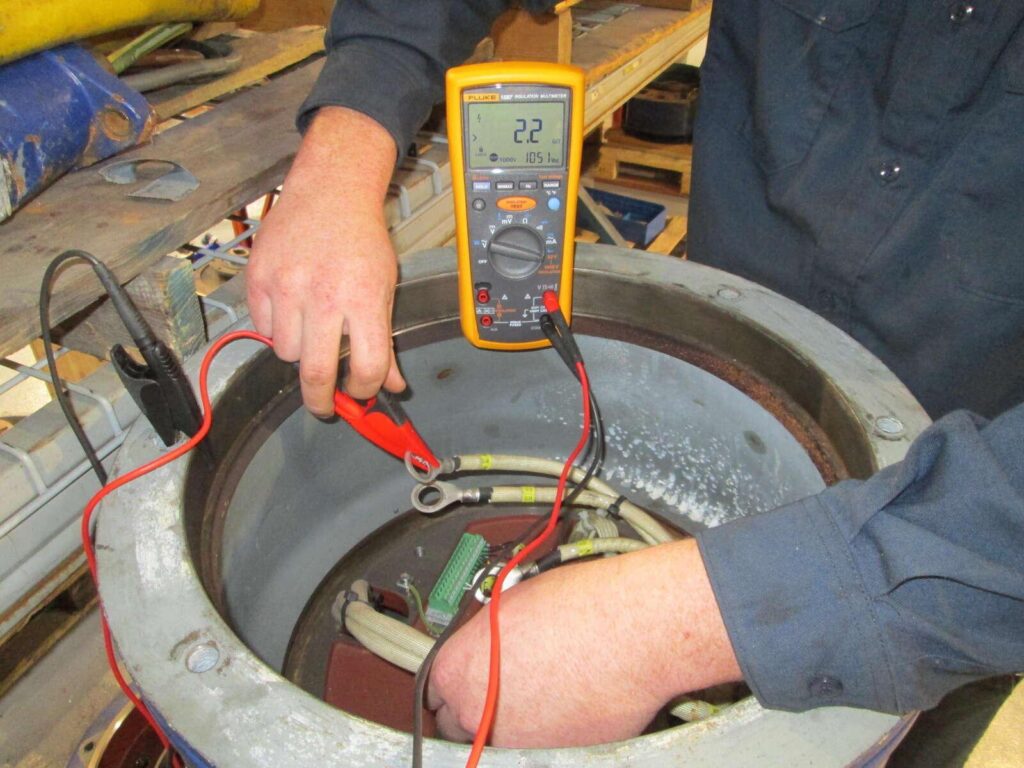
Electrical faults are often misdiagnosed as mechanical issues, which is why a proper Pump Troubleshooting Guide is essential.
Diagnostic Tools Used in Pump Troubleshooting Guide
Professional engineers rely on tools to enhance accuracy in any Pump Troubleshooting Guide.
Key tools include:
- Vibration analyzers
- Infrared thermography cameras
- Flow meters
- Pressure gauges
- Alignment laser tools
These tools improve precision and reduce guesswork in a Pump Troubleshooting Guide approach.
Preventive Maintenance in Pump Troubleshooting Guide
A strong Pump Troubleshooting Guide is not only reactive but also preventive.
Best practices:
- Regular lubrication schedules
- Alignment checks
- Condition monitoring
- Filter cleaning
- Seal inspection routines
Preventive maintenance reduces reliance on emergency troubleshooting and extends pump lifespan significantly.
Case Study: Real Industrial Pump Failure Analysis
A chemical plant experienced recurring seal failures. Using a structured Pump Troubleshooting Guide, engineers discovered:
- Excessive dry running during startup
- Poor operator startup sequence
- Lack of priming system
Solution implemented:
- Automated priming system installed
- Operator training program introduced
- Startup checklist created
Result: Seal failure reduced by 85%, proving the effectiveness of a structured Pump Troubleshooting Guide.
Advanced Troubleshooting Tips for Engineers
A professional Pump Troubleshooting Guide goes beyond basics:
- Use trend analysis for vibration data
- Compare historical performance logs
- Monitor NPSH margins continuously
- Apply root cause analysis for recurring failures
These advanced techniques elevate a standard Pump Troubleshooting Guide into a reliability engineering strategy.
Common Mistakes in Pump Troubleshooting Guide
Even experienced technicians make errors:
- Ignoring suction conditions
- Replacing parts without diagnosis
- Overlooking electrical faults
- Misinterpreting vibration signals
A disciplined Pump Troubleshooting Guide helps eliminate these costly mistakes.
Conclusion: Mastering Pump Troubleshooting Guide for Reliability
A structured Pump Troubleshooting Guide is essential for maintaining industrial pump reliability. By following a logical diagnostic approach, engineers can quickly identify faults, reduce downtime, and improve system efficiency.
Whether dealing with cavitation, vibration, leakage, or electrical faults, a proper Pump Troubleshooting Guide ensures that problems are solved at the root—not just the surface.
Implementing a standardized Pump Troubleshooting Guide across your facility transforms maintenance from reactive repair into predictive engineering excellence.
Call to Action (CTA)
If your facility still relies on trial-and-error pump repairs, now is the time to implement a structured Pump Troubleshooting Guide. Train your maintenance team, standardize diagnostic procedures, and adopt condition-based monitoring to achieve maximum pump reliability and uptime.
Frequently Asked Questions (FAQ)
1. What is a Pump Troubleshooting Guide?
A Pump Troubleshooting Guide is a structured method used to diagnose and solve pump failures in industrial systems.
2. What is the most common pump problem?
The most common issues include cavitation, seal leakage, and suction problems.
3. How do you fix low pump flow?
Check suction conditions, inspect impeller condition, and verify system valves.
4. What causes pump vibration?
Misalignment, bearing wear, and hydraulic instability are the main causes.
5. Why is pump maintenance important?
Proper maintenance prevents breakdowns, reduces downtime, and extends equipment life.